
Procurement and technical specifications
There is a need for advice on technical specifications of medical devices in many settings. Decision makers should consider technical specifications before purchase or donation. Technical specifications improve access to high quality, safe and efficacious medical devices. They allow for adequate planning of implementation, functioning and decommissioning of medical devices. Technical specifications facilitate the management of financial, infrastructural and human resources.
Therefore, WHO has developed some technical specifications for specific populations (e.g. newborns) and needs (e.g. oxygen). They are free to download on this page. WHO technical specification also provide guidelines in procurement and acquisition of medical devices.
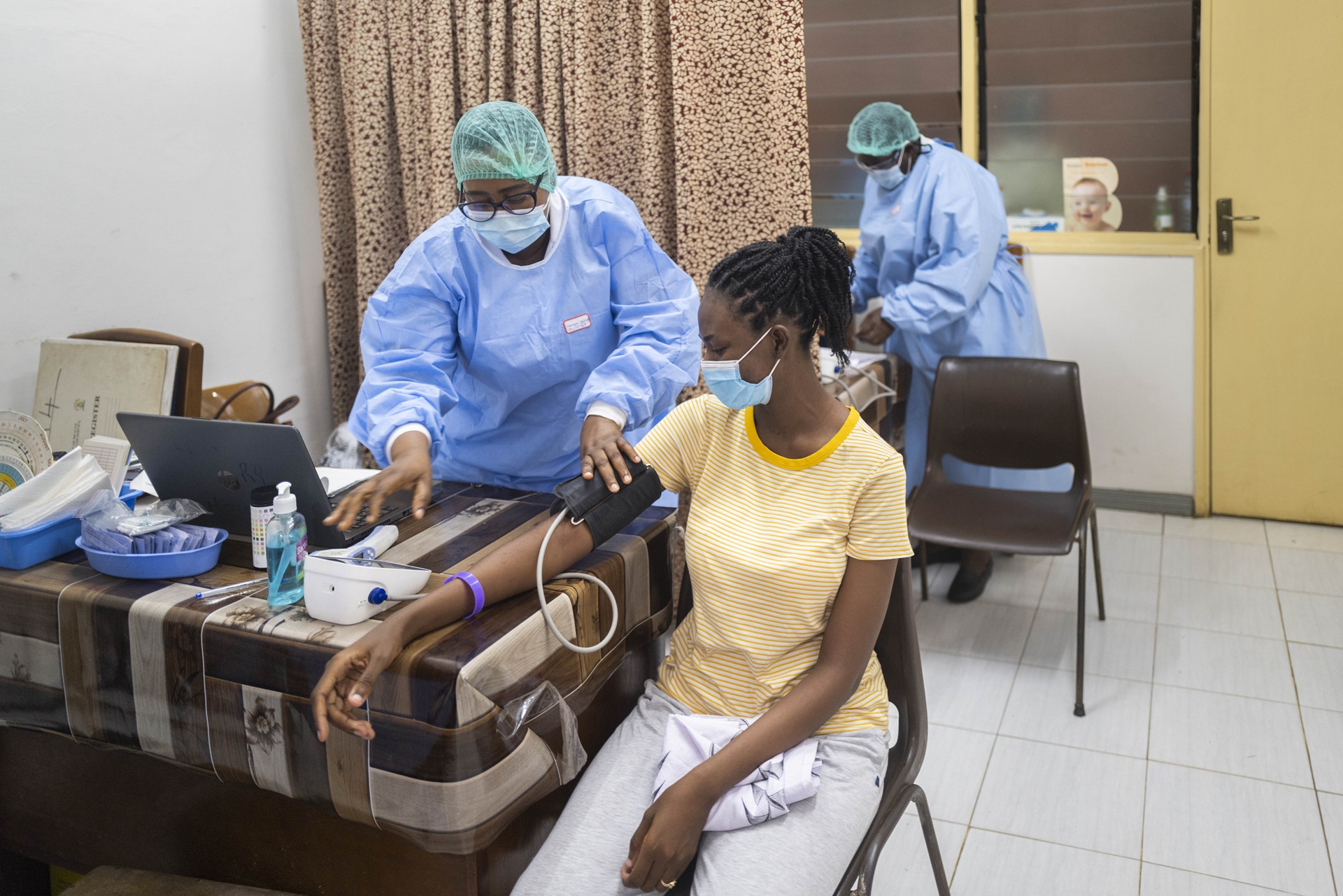
Midwife Rebecca Kpabitey Maame checks the blood pressure of a patient, who delivered her baby Ishod at Ridge Hospital and is now bringing him for a postnatal visit.
WHO procurement guidance
WHO technical specifications of medical devices
WHO neonatal resuscitation manikin technical specifications
The United Nations Commission on Life-Saving Commodities (UNCLSC, 2012) defined 13 health products to end preventable deaths of woman and children. One...
This WHO-IAEA joint publication takes its origin from a substantial and increased need from Member States, donor agencies and NGOs to use “portable”...
Technical specifications for selection of essential in vitro diagnostics for SARS-CoV-2
NOTE: This publication is under review and a new version will be published during the third quarter of 2022. Technical specifications for in vitro diagnostics...
The purpose of this publication is to provide guidance on the specification of technical equipment utilized in the practice of radiotherapy. The publication...
Priority medical devices list for the COVID-19 response and associated technical specifications
This document describes the medical devices required for the clinical management of COVID-19, selected and prioritized according to the...
This document provides interim guidance on the quality, performance characteristics and related standards of personal protective equipment (PPE) to be...
Oxygen is an essential medicine required at all levels of the health care system; only high quality, medical-grade oxygen should be given to patients. ...
WHO technical specifications for automated non-invasive blood pressure measuring devices with cuff
Hypertension is the leading modifiable risk factor for serious diseases such as cardiovascular disease (stroke and ischaemic heart disease), pre-eclampsia...
WHO technical guidance and specifications of medical devices for screening and treatment of precancerous...
As part of WHO’s approach to cervical cancer control, availability of high quality, affordable medical devices for HPV screening, and treatment of...
The purpose of this interagency publication is to provide harmonized product specifications for a wide range of products for delivering basic oxygen therapy,...
The purpose of the WHO technical specifications of Neonatal Resuscitation Devices is to provide a minimum standard baseline to meet the increasing demand...
WHO technical specifications for oxygen concentrators
The purpose of this guidance document is for the appropriate selection, procurement, utilization and maintenance of oxygen concentrators. This document...
WHO technical specifications package
WHO developed the technical specifications package since 2014. An updated electronic version is being developed.
WHO Technical Specifications (TS) are intended for technical health workers and health stakeholders such as:biomedical engineershospital managersplanning...
Six million women and children could be saved by 2017, if they had access to simple, essential and affordable medicines, medical devices and health supplies....
The WHO technical specification for 61 medical devices was developed in accordance with essential medical devices needed for health care facilities. It...
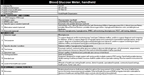
WHO technical specifications for blood glucose meter
The WHO technical specification for blood glucose meter was developed by WHO in collaboration with a working group of experts. The technical specifications...
Global collaborations for medical devices
WHO directs and coordinates international health work through collaboration. WHO partners with countries, the United Nations system, international organizations, civil society, foundations, academia, and research institutions. Official collaborations with WHO are conducted in the following forms:
Contact